
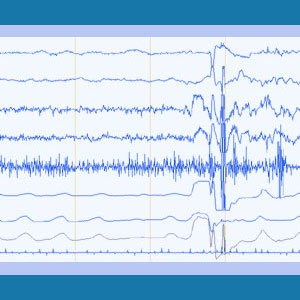
A polygraph is also commonly called a lie detector test, or more formally, a psychophysiological detection of deception test. This interesting technology is used throughout the legal system in an attempt to determine whether a person is being deceptive about a particular inquiry or issue. While the court admissibility of lie detector testing remains hotly debated in most regions, the test continues to be a popular method of accumulating evidence of lying or criminal activities.
This guide details the interesting sector of lie detection testing in the detective services industry.
Polygraph Definition
Lie detection, using this particular method, requires sensitive equipment and a trained examiner. The test can be administered using older analog equipment, which measures responses with a series of marks on roll paper, or with newer computerized machines, which detail the data on an electronic monitor.
The test itself does not actually have the ability to measure truth or lies. It can only detect differences in a variety of anatomical functions, which are typically set off when a person is being deceptive. The anatomical criteria that are measured usually include: blood pressure, heart rate, breathing patterns, skin conductivity and internal body temperature. Some newer methods of lie detection also include monitoring the subject’s eyes for rapid contractions or expansions of the iris, sometimes associated with lying.
The examiner will ask questions while the subject is hooked up to the machine and will monitor them visually, as well as electronically, to see how they react to various questions and suggestions.

Fooling a Lie Detector Test
While most people are not able to control their automatic bodily reactions when lying, a trained individual can easily outsmart even the most sensitive lie detector machine. This can be accomplished in 2 main ways.
First off, the examiner will ask a series of rudimentary questions which are designed to provide a control response to compare to more invasive and relevant questions that will be asked later. These initial questions usually inquire about the subjects name and age and basic details and should not provoke any unusual anatomical response. Trained lie detection subjects can consciously create stress in their minds during these questions, causing anatomical changes which can severely throw off the control questioning process.
Additionally, by calming themselves down later in the test and staying as relaxed as possible, the subject can lie throughout the exam and still not give away anatomical evidence of their deception. This is a learned and practiced skill for most, but even beginners can get lucky enough to fool the machine with a bit of concerted effort.

Polygraph Services
Using a lie detector is one way to make someone answer questions as honestly as possible. While it may be difficult to get some people to submit to lie detection testing, it can be ordered by a judge for various reasons. Of course, if a person maintains their innocence, they should have no problem taking the test, which is a psychological ploy used to convince subjects to submit to the exam in many instances.
For additional details about how lie detection works, or how it can be used to reinforce an investigation case, contact a qualified private investigator or a professional polygraph examiner near you.